In 2024-2025, the U.S. construction industry is facing a perfect storm of volatility. Traditional, rigid logistics models are failing, creating unprecedented financial risk. This infographic breaks down the crisis and reveals the flexible solution that's building a more resilient future.
A Sector Under Siege: The Staggering Financial Toll
The high cost of inflexibility is no longer a distant threat; it's a daily reality eroding profitability. The data reveals an industry-wide symptom of systemic dysfunction.
Crippling Cost Overruns

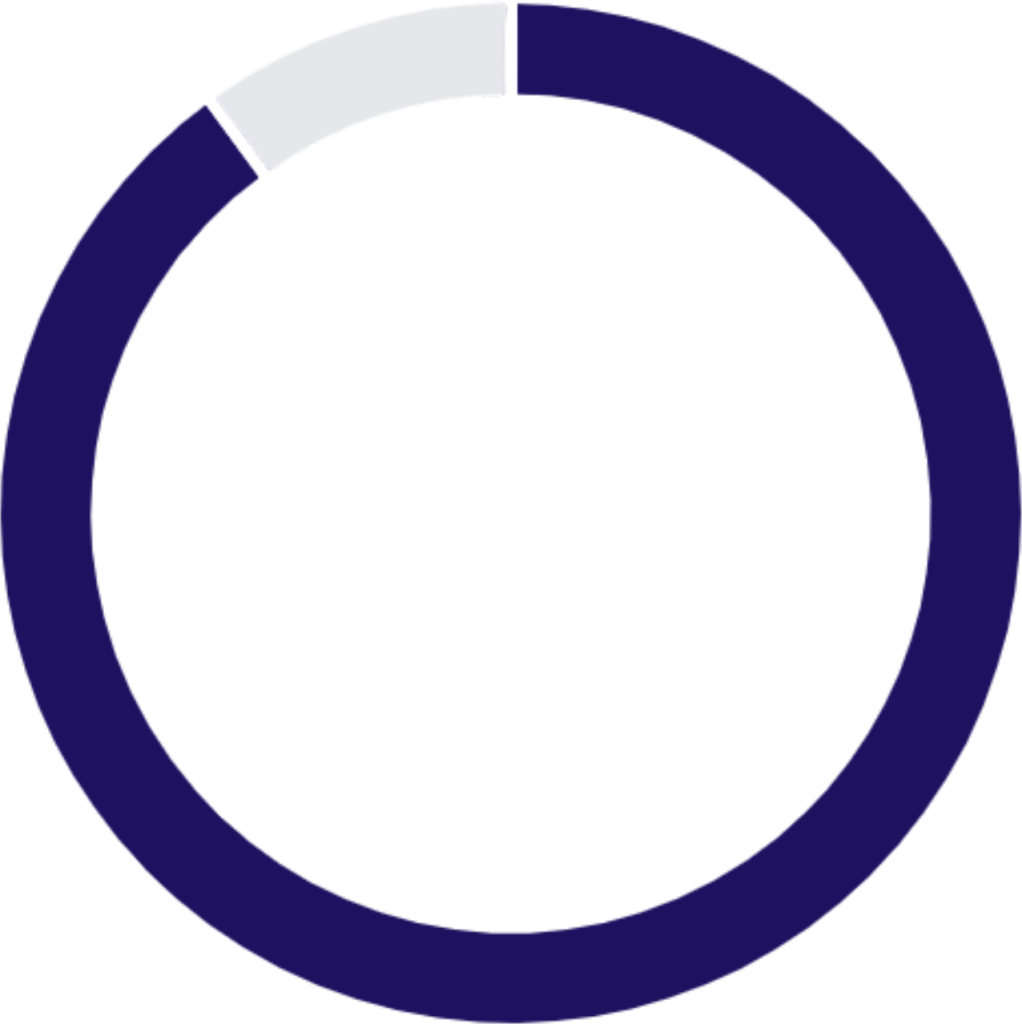
An alarming 9 out of 10 projects now experience cost overruns, with the average blowing past the budget by a staggering 28%.
Paralyzing Project Delays
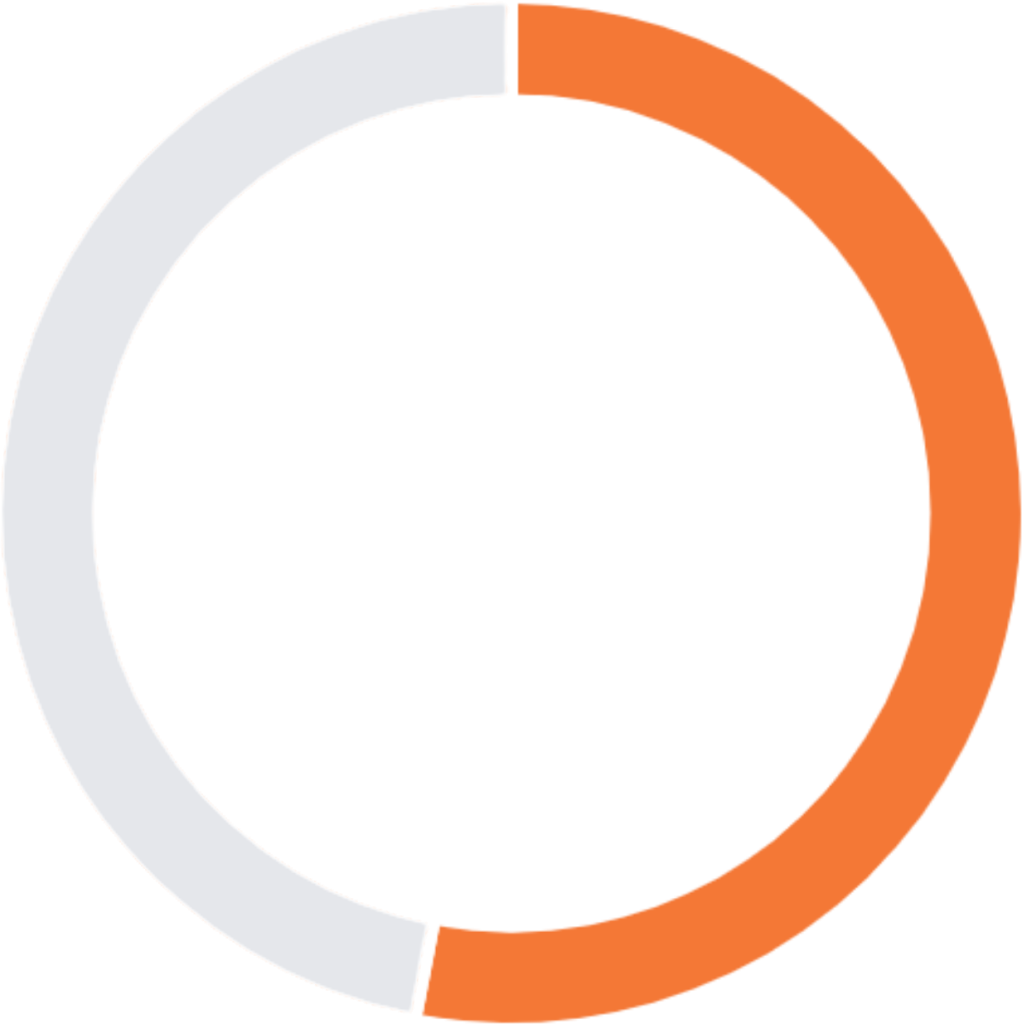
53% of general contractors directly attribute significant project delays to the current volatile market conditions and supply chain friction.
The Triple Squeeze on Supply Chains
Three interconnected pressures are simultaneously crushing construction logistics from all directions, making forecasting impossible and financial planning a high-stakes gamble.
Material Cost Volatility (% Year-Over-Year Increase)
Persistent Disruptions
Over 76% of shippers faced disruptions in 2024, with lead times for critical gear like HVAC units stretching to 60 weeks.
The Widening Labor Gap
The industry faces a shortfall of over 550,000 skilled workers, directly delaying 61% of all projects.
The Capital-Risk Paradox: A Broken Model
To avoid delays, companies buy materials early. But this "solution" creates a hidden financial crisis, trapping capital and increasing risk—a cycle that traditional logistics models only make worse.
Hedge Against Delays
Procure materials in bulk, well in advance of project needs.
Capital Drain
Excess inventory ties up cash and costs 20-30% of its value annually to store and insure.
Increased Risk
Long-term leases lock in fixed costs, magnifying financial exposure when demand fluctuates.
The Solution: The BroadRange UltraFlex™ Model
Engineered for construction materials, the UltraFlex™ licensing model breaks the cycle of risk. It's not a lease—it's a strategic tool that replaces financial friction with operational agility.
| Feature | Traditional Warehouse Lease | BroadRange UltraFlex™ |
|---|---|---|
| Upfront Capital | High (Deposit + Rent) | None |
| Balance Sheet Impact | Adds Long-Term Liability | No Liability Recorded |
| Contract Term | 3-5 Year Minimum | As Short as 4 Months |
| Exit Flexibility | Costly Penalties | 4-Month Notice to Cancel |
Real-World Impact & Capabilities
UltraFlex™ provides the infrastructure and services needed to turn logistics into a competitive advantage.
Million Sq. Ft. Operated
U.S. Markets Served
% Population Reach (2-Day)
Lumber Distributor
Stages lumber regionally to decouple transport from unpredictable job site readiness.
HVAC Manufacturer
Uses forward-stocking locations to cut final delivery times without CAPEX.
Flooring Supplier
Absorbs overseas shipment surges into overflow space, avoiding costly port fees.
Solar Developer
Creates project hubs to buffer against tariff and shipping volatility, cutting storage costs.